
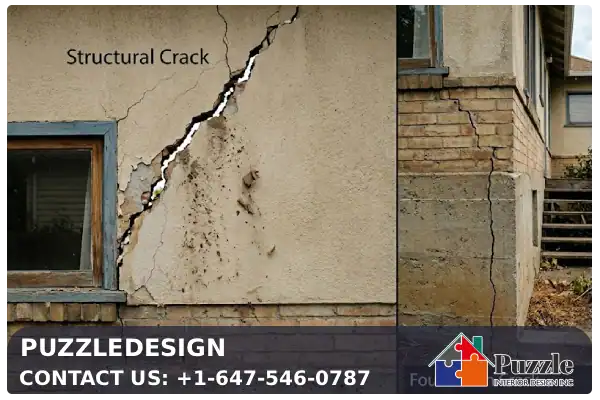
Understanding the difference in structural crack vs foundation crack scenarios is vital for every Canadian homeowner, especially given our unique climate.
In Toronto, the freeze-thaw cycle often puts immense pressure on residential buildings, leaving many to wonder if a minor fissure is a harbinger of disaster or just a standard settling issue.
Distinguishing these types of damage is the first step toward maintaining your property’s value and safety.
Defining Structural Crack vs Foundation Crack: The Essentials
When analyzing structural crack vs foundation crack issues, homeowners must realize that while all foundation cracks are technically part of the structure, not all of them compromise the building’s integrity.
Distinguishing between them requires looking at wall crack types that indicate movement versus those caused by concrete shrinkage. Shrinkage cracks are common in new builds as the concrete cures and loses moisture, whereas structural issues are dynamic and active.
- Non-structural: Usually aesthetic, hairline thickness, and often resulting from concrete curing.
- Structural: Indicates active movement, deeper penetration, or failure of the load-bearing system.
- Signs of Concern: Significant water leakage, misalignment of doors, or visible bowing of walls.
How to Identify Dangerous Foundation Cracks
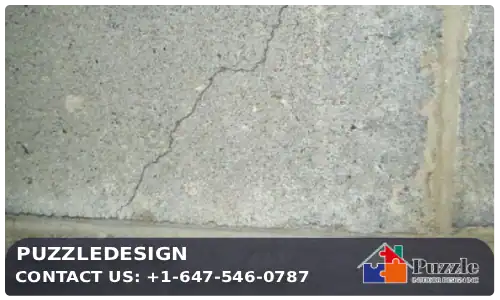
Identifying dangerous foundation cracks early can save thousands in repairs. We often see stair step cracks in masonry, which are classic red flags for differential settlement. When performing a professional crack inspection, experts look for specific patterns.
Knowing the structural vs non structural cracks difference is the first line of defense for your investment. If you ignore the initial signs, moisture enters, freezes, and expands, turning a minor issue into a major structural hazard.
In our experience with structural cracks in concrete, vertical fissures are often less alarming than horizontal ones, which frequently signal lateral earth pressure.
When evaluating structural crack vs foundation crack severity, always measure the width and depth of the opening. A crack that is wider at the top than the bottom, or vice versa, indicates that a specific section of your foundation is sinking or heaving unevenly.
Recognizing Structural Cracks with Examples
To identify structural cracks with examples, look for these specific indicators:
- Horizontal cracks mid-wall: Often caused by pressure from soil outside.
- Cracks wider than 1/4 inch: Generally considered beyond “normal” settlement.
- Displaced concrete edges (offset cracks): Indicates pressure pushing one side out.
- Stair step cracks that continue into the floor slab: Signifies foundation rotation.
- Multiple diagonal cracks near corners: Often points to soil stabilization issues.
Professional Crack Inspection Protocols
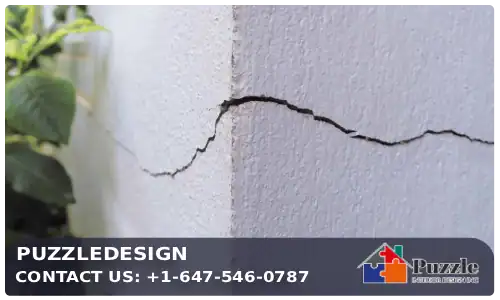
A thorough crack inspection is not just about measuring; it’s about context. Are there dangerous foundation cracks accompanied by sticking doors or uneven floors? If yes, you are likely looking at structural cracks in concrete that require immediate attention.
Evaluating structural crack vs foundation crack dynamics allows our team to determine if the issue is a cosmetic nuisance or a deep-seated engineering failure. We use specialized equipment to monitor movement over time, ensuring no hidden shifts are occurring.
We often categorize wall crack types based on their orientation and depth. Vertical cracks are common in newer Toronto homes due to natural shrinkage, but stair step cracks in older brickwork are a major concern.
When you assess structural vs non structural cracks, keep in mind that water infiltration is the catalyst for many dangerous foundation cracks in our region. Our climate fluctuates rapidly, causing the soil to expand and contract, which places continuous stress on your home’s perimeter walls.
Why Context Matters in Structural Crack vs Foundation Crack Assessment
It is crucial to balance caution with logic. Not every fissure requires excavation or expensive underpinning. However, the structural crack vs foundation crack debate usually centers on the active nature of the defect.
We have documented many structural cracks with examples where the root cause was simple soil expansion after heavy rainfall. Regular crack inspection helps monitor these, ensuring that structural vs non structural cracks are identified before they become costly hazards to your family’s safety.
Understanding wall crack types also means knowing when to call a professional. If you have stair step cracks, don’t attempt to patch them with hydraulic cement alone. That is a band-aid solution that ignores the deeper cause.
Effective structural cracks in concrete repairs involve stabilizing the soil or adding reinforcement to the load-bearing members, not just hiding the evidence of the shift.
Mitigating Risk and Taking Action
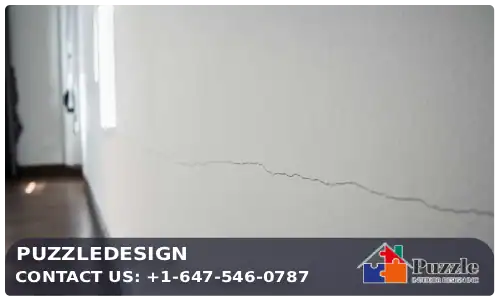
If you find wall crack types that are widening, shifting, or leaking water, it is time to consult a pro. Understanding the structural crack vs foundation crack distinction ensures you don’t overspend on simple shrinkage while ignoring catastrophic failure.
Whether you are dealing with structural cracks in concrete or brick veneer, timely intervention is key to preserving your home’s structural integrity. Dangerous foundation cracks, when caught early, are manageable; when ignored, they jeopardize the entire home.
Is Your Home at Risk? Identify the Warning Signs
Before calling for help, check your home for these indicators: Do your windows feel harder to open than last year? Are there gaps appearing between your baseboards and the floor?
These are classic signs of structural damage in house environments. Identifying the causes of structural damage toronto homes face—such as high water tables and clay soil pressure—is the key to a permanent solution.
Expert Structural Solutions for Toronto Homes
If you have spotted signs of structural damage in house, waiting is not an option. We specialize in structural damage repair toronto, addressing the underlying causes of structural damage toronto with precision and local expertise.
Our team provides professional Structural Repair Toronto services to ensure your home remains safe for decades. We combine modern engineering with a deep understanding of Toronto’s geological challenges.
Don’t wait for a small crack to become a structural failure. Protect your biggest investment today.